

The Benefits of Physiotherapy for Post-Surgical Recovery
Blogs, / By Winsen Citra
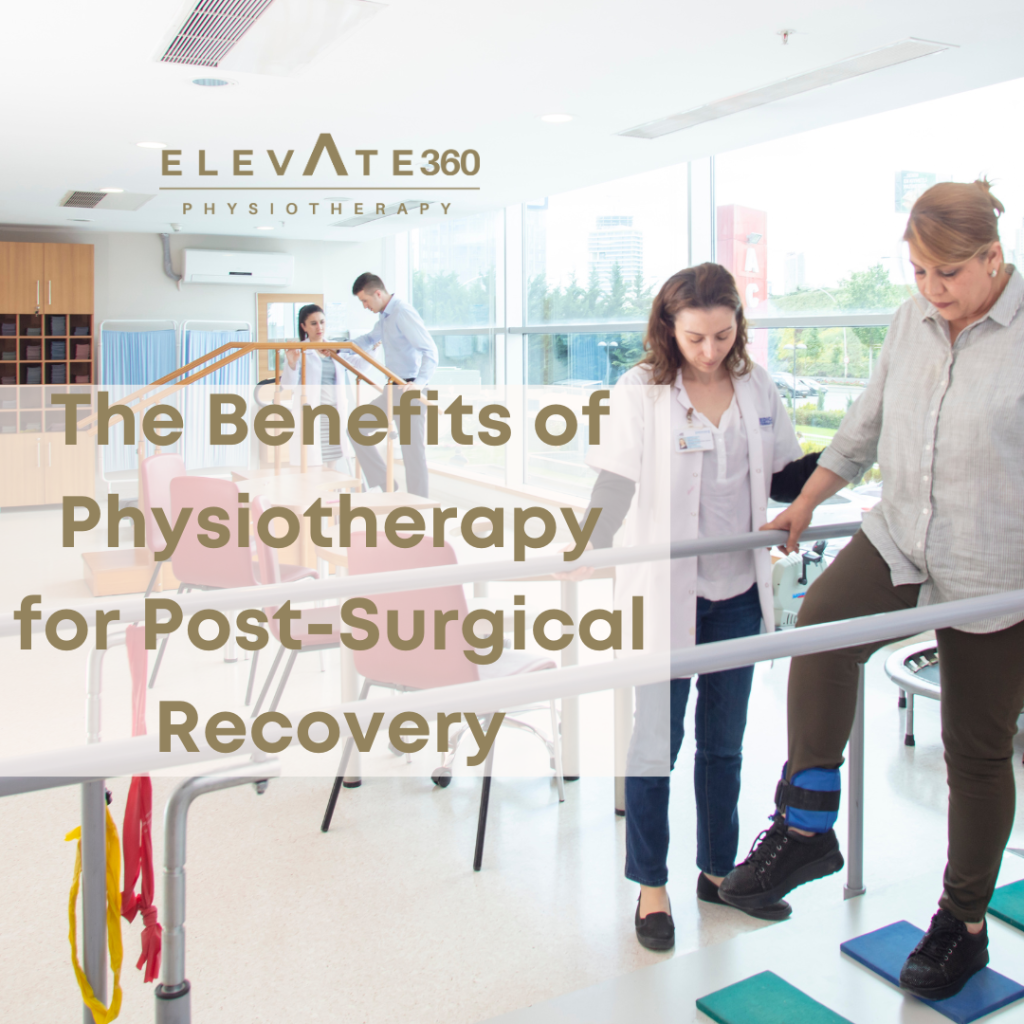
Recovering from surgery can be a daunting process, filled with questions and uncertainties about how best to regain strength and mobility. Physiotherapy plays a crucial role in post-surgical recovery, helping patients return to their daily lives as quickly and safely as possible. Whether you’ve undergone orthopedic, cardiac, or abdominal surgery, physiotherapy offers a tailored approach to rehabilitation that promotes healing, reduces pain, and restores function.
1. Accelerated Healing and Recovery
One of the primary benefits of physiotherapy after surgery is that it accelerates the healing process. Through carefully designed exercises and treatments, physiotherapists help improve blood circulation, reduce swelling, and prevent complications like blood clots. Early mobilization, often guided by your physiotherapist, can enhance tissue repair and speed up your recovery.
2. Pain Management
Post-surgical pain is a common concern for many patients, but physiotherapy provides effective, non-invasive methods to manage and reduce discomfort. Techniques such as manual therapy, ultrasound, electrical stimulation, and targeted exercises help decrease pain by promoting natural pain-relieving processes in the body. By managing pain without relying solely on medications, physiotherapy aids in a safer and more comfortable recovery journey.
3. Improved Mobility and Strength
After surgery, stiffness and weakness can hinder your ability to move comfortably. Physiotherapists design individualized exercise programs that target specific muscles and joints affected by surgery, helping to rebuild strength, flexibility, and range of motion. By focusing on functional movements that mirror daily activities, physiotherapy ensures that you regain the mobility needed to perform essential tasks.
4. Prevention of Scar Tissue Formation
Scar tissue can develop after surgery, leading to stiffness and reduced mobility if not managed correctly. Physiotherapy includes specific techniques such as stretching, massage, and mobilization to help minimize the buildup of scar tissue. These interventions promote proper tissue healing and ensure that scars remain flexible, preventing long-term complications.
5. Reducing the Risk of Complications
Without appropriate rehabilitation, post-surgical patients are at risk of developing complications like deep vein thrombosis (DVT), pneumonia, or joint stiffness. Physiotherapists guide patients through exercises that encourage deep breathing, improve circulation, and maintain joint mobility, all of which are vital in reducing these risks. By staying active under professional supervision, you can significantly lower the chances of such complications.
6. Enhanced Mental Well-being
Surgery can be stressful, not just physically but also mentally. Physiotherapy sessions offer a supportive environment where patients receive personalized attention, motivation, and encouragement. Regular physical activity has been proven to boost mood, reduce anxiety, and enhance overall mental well-being. Working closely with a physiotherapist can help build confidence in your recovery process, making it easier to stay positive and committed to your rehabilitation goals.
7. Tailored Recovery Plans
Every patient’s surgical journey is unique, which is why a one-size-fits-all approach doesn’t work. Physiotherapists assess your specific needs, surgery type, and overall health to create a personalized recovery plan. Whether you’re recovering from a knee replacement, spinal surgery, or a C-section, your physiotherapist will develop a program that aligns with your abilities and goals, ensuring the most effective and efficient recovery.
8. Long-term Health Benefits
The benefits of physiotherapy extend well beyond immediate post-surgical recovery. By improving physical fitness, muscle strength, and flexibility, physiotherapy sets the foundation for a healthier lifestyle. Regular exercise and mobility can prevent future injuries, reduce the likelihood of chronic pain, and contribute to overall long-term health.
Conclusion
Physiotherapy is an invaluable part of the post-surgical recovery process, offering patients a pathway to regain their strength, mobility, and confidence. By addressing pain, preventing complications, and providing personalized care, physiotherapy empowers you to take an active role in your recovery journey. If you’re preparing for surgery or currently in the recovery phase, consider consulting with a physiotherapist to explore how a tailored rehabilitation plan can benefit you.
Ready to Start Your Recovery?
At Elevate Physiotherapy, our experienced team is dedicated to helping you achieve the best possible recovery. Contact us today to book an appointment and take the first step toward a healthier, more active life after surgery!
We hope this has been useful for you. Find out more useful exercises by checking out our instagram page. Feel free to contact us should you have further questions.

Winsen Citra
Principal Physiotherapist
Winsen graduated from University of Melbourne in 2011. He worked in organisations of various sizes such as Singapore General Hospital, Pain Relief Practice, and Physioclinic before working at Elevate Physiotherapy. He specialises in sports and musculoskeletal injuries and has worked with athletes of various sports such as fencing, dancing, dragon boating, and cycling.
In his spare time he enjoys singing and playing chess.
Written by
Winsen Citra
Principal Physiotherapist
Winsen is the Principal Physiotherapist at Elevate Physiotherapy, Singapore. A University of Melbourne physiotherapy graduate and former Singapore General Hospital physiotherapist, he specialises in sports and musculoskeletal rehabilitation and works with athletes and active individuals to recover from injury and return to full performance.