

Rotator Cuff Injury: Symptoms, Causes, Treatment, Recovery
Quick Answer: A rotator cuff injury is damage to one or more of the four tendons that stabilise the shoulder, most often causing pain when lifting the arm, weakness overhead and disturbed sleep on that side. The large majority are managed without surgery, using graded loading, activity modification and physiotherapy.
Most people notice a rotator cuff problem at night first. Lying on the sore side wakes you, and by morning reaching into a cupboard or fastening a seatbelt has become the moment you brace for.
This guide from Elevate Physiotherapy explains what a rotator cuff injury is in 2026, how the symptoms differ from other shoulder problems, and what treatment realistically involves. You will learn what the current evidence says about recovery, and when to see a physiotherapist in Singapore.
What are the symptoms of a rotator cuff injury?
The typical symptoms of a rotator cuff injury are pain on the outer upper arm rather than the point of the shoulder, weakness lifting the arm away from the body, and pain that wakes you when you roll onto that side. Reaching behind the back and reaching overhead are usually the two hardest movements.
The rotator cuff is a group of four muscles — supraspinatus, infraspinatus, teres minor and subscapularis — whose tendons wrap the head of the humerus and hold it centred as the arm moves. Injury can be a sudden tear from a fall or a heavy lift, or a gradual tendon overload that builds over months.
Night pain is the symptom people report most consistently, and it is often what finally prompts an appointment. A gradual-onset cuff problem rarely stops you moving the arm altogether. If the shoulder has genuinely stiffened in every direction, including when someone else moves it for you, that pattern points more towards frozen shoulder than the cuff.
At Elevate Physiotherapy in Singapore, the assessment separates these patterns by testing each cuff tendon against resistance and comparing active with passive range. That distinction matters, because the two conditions follow very different rehabilitation paths.
SYMPTOM PATTERNS THAT POINT TO DIFFERENT SHOULDER PROBLEMS
|
Pattern |
What it feels like |
Typical clue |
|
Rotator cuff tendinopathy or partial tear |
Ache on the outer upper arm, painful arc lifting the arm sideways |
Weakness on resisted testing; passive range stays close to normal |
|
Full-thickness cuff tear |
Marked weakness lifting or holding the arm out to the side |
Arm drops when lowered slowly from overhead |
|
Frozen shoulder (adhesive capsulitis) |
Global stiffness in every direction, painful at end range |
Rotation is limited even when someone else moves the arm |
|
Shoulder impingement |
Pinching sensation in a specific mid-range arc |
Pain eases above and below the painful arc |
|
Referred pain from the neck |
Ache spreading down the arm, sometimes with pins and needles |
Neck movement changes the shoulder symptoms |
What causes a rotator cuff injury?
Rotator cuff injuries are caused either by a single overload event — a fall onto an outstretched hand, a heavy lift, a fast throw — or by cumulative tendon load that outpaces the tendon’s capacity to adapt. In people over forty, the gradual pattern is far more common than the traumatic one.
Tendon tissue adapts to load slowly. Volume that rises quickly, such as returning to the gym after a break or adding overhead pressing in a single week, is the most common trigger seen in clinic. Sustained desk posture is not itself a cause, but it reduces the shoulder blade control that the cuff relies on.
Singapore’s activity profile is part of the picture. The Ministry of Health’s National Population Health Survey 2024 reported that 84.7% of adults met sufficient total physical activity in 2024, up from 78.5% the previous year, with leisure-time activity making up about a quarter of weekly activity (MOH, 2025). More people training means more shoulders meeting new load.
Age-related tendon change is a background factor rather than a verdict. Cuff changes appear on scans in plenty of people with no pain at all, which is why sports physiotherapy at Elevate Physiotherapy in Singapore weighs what the shoulder can do against what a scan shows, rather than treating the image.
How is a rotator cuff injury treated?
Most rotator cuff injuries are treated without surgery. The standard approach is to settle the irritable phase, restore range, then progressively load the cuff and the shoulder blade muscles until the shoulder tolerates the tasks that provoked it. Surgery is generally reserved for large traumatic tears and for cases that do not respond to a properly progressed programme.
The evidence on which conservative approach works best is more modest than most clinics imply. A June 2026 systematic review in Musculoskeletal Science and Practice pooled 19 randomised controlled trials covering 1,349 people with rotator cuff-related shoulder pain and found no short-term difference between exercise therapy and passive conservative treatment for either pain or disability (Liu et al., 2026). The authors rated the certainty of that evidence as very low to low.
That finding is worth stating plainly rather than skipping. It does not mean exercise is pointless — it means the short-term evidence cannot separate the options confidently, and that a low-cost, low-risk approach that also rebuilds capacity remains the sensible first line.
A typical non-surgical pathway runs in three stages:
- Settle — reduce the provoking load for two to three weeks, keep the arm moving within a comfortable range, and use isometric holds if they ease symptoms.
- Rebuild — add resisted external and internal rotation, scapular control work and progressive overhead loading, guided by how the shoulder responds the next morning.
- Return — reintroduce the specific task, sport or lift that flared it, progressing by measurable strength and tolerance rather than by the calendar.
Elevate Physiotherapy in Singapore also offers shockwave therapy and dry needling as adjuncts where they suit the presentation, alongside sports physiotherapy. These sit around the loading programme rather than replacing it.
Can physiotherapy help a rotator cuff injury, and how long does it take?

Physiotherapy can help most rotator cuff injuries, and for the gradual-onset presentations it is the usual starting point. Recovery is measured in months rather than weeks for tendon problems, though a meaningful change in symptoms usually arrives well before full capacity returns.
“It depends on the tissue and the load you’re returning to, but for most musculoskeletal injuries you should feel a meaningful change within a few weeks of consistent, correctly-loaded rehab,” says Winsen Citra, Principal Physiotherapist at Elevate Physiotherapy. “Full return to sport takes longer and is guided by objective milestones, not a fixed date — and we never guarantee an outcome.”
That framing matters for the shoulder in particular, because the gap between comfort and capacity is wide. A cuff can feel settled at six weeks while still being some way from tolerating overhead pressing or a full swimming session. Progressing on comfort alone is how the same shoulder ends up back in clinic three months later.
Arrange an assessment sooner if the arm gave way suddenly after a fall, if you cannot lift it away from your body at all, or if there is numbness spreading down the arm. Physiotherapy in Singapore does not need a doctor’s referral, and an early assessment at Elevate Physiotherapy usually shortens the settling phase.
Disclaimer: This article is for informational purposes only. Please consult a qualified healthcare professional. Individual results vary and no treatment outcome is guaranteed.
Frequently asked questions
How do I know if my shoulder pain is a rotator cuff injury or frozen shoulder?
The clearest difference is what happens when someone else moves your arm for you. A rotator cuff injury usually leaves passive range close to normal while active lifting is weak and painful, whereas frozen shoulder restricts movement in every direction even when the arm is moved passively.
External rotation is the movement most reliably lost in frozen shoulder, often before the stiffness becomes obvious elsewhere. At Elevate Physiotherapy in Singapore this is separated in the first consultation by comparing active with passive range and by resisted testing of each cuff tendon. Getting the distinction right early matters, because the two conditions need quite different loading strategies.
Does a rotator cuff tear always need surgery?
No — the large majority of rotator cuff tears seen in clinic are managed without an operation, particularly partial-thickness and degenerative tears. Surgery is more often considered for large traumatic tears in younger, active people, or when a properly progressed rehabilitation programme has genuinely been completed without adequate improvement.
The June 2026 systematic review in Musculoskeletal Science and Practice covering 19 trials and 1,349 participants found conservative options broadly comparable in the short term, with low certainty of evidence (Liu et al., 2026). A surgical decision is made by an orthopaedic surgeon, and Elevate Physiotherapy in Singapore will refer when the presentation warrants it.
What exercises are safe for a rotator cuff injury in Singapore?
Safe starting exercises for a rotator cuff injury generally include isometric external and internal rotation held against a wall or a band, scapular setting work, and controlled range-of-motion drills below the painful arc. Overhead pressing, upright rows and behind-the-neck movements are usually the first things to pause rather than push through.
Progression is guided by how the shoulder feels the next morning, not by how it feels during the set. A physiotherapist at Elevate Physiotherapy in Singapore will match the starting load to your current tolerance and re-test objectively before adding overhead work. Individual results vary and no recovery timeline can be promised.
How long does a rotator cuff injury take to heal?
Recovery from a rotator cuff injury is usually measured in months, with most gradual-onset cases improving noticeably within six to twelve weeks of consistent, correctly-loaded rehabilitation. A traumatic tear, or a shoulder that has been painful for a year before assessment, sits at the longer end of that range.
Return to overhead sport or heavy lifting is a separate milestone that typically arrives later than symptom relief. Elevate Physiotherapy in Singapore tracks progress against measurable strength and task tolerance rather than a fixed date, which is the more reliable guide to whether the shoulder is genuinely ready.
A rotator cuff injury rarely resolves by rest alone, and it rarely needs surgery either. Reducing the provoking load, rebuilding cuff and shoulder blade strength, and progressing on objective milestones is what returns the shoulder to overhead work. If shoulder pain is waking you at night or limiting your training, book an assessment with Elevate Physiotherapy at Maju Avenue or Jalan Besar, or arrange home physiotherapy anywhere in Singapore.
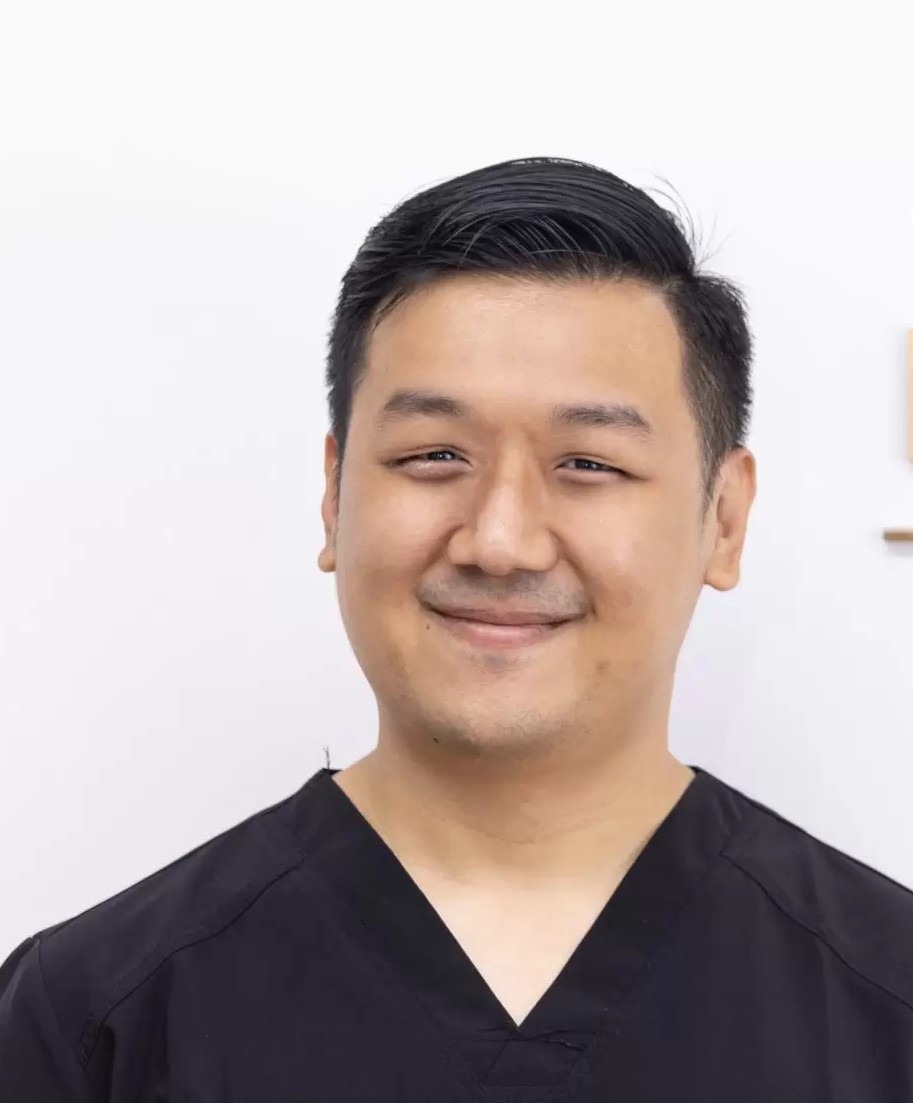
Written by
Winsen Citra
Principal Physiotherapist
Winsen is the Principal Physiotherapist at Elevate Physiotherapy, Singapore. A University of Melbourne physiotherapy graduate and former Singapore General Hospital physiotherapist, he specialises in sports and musculoskeletal rehabilitation and works with athletes and active individuals to recover from injury and return to full performance.