

My Finger Is Numb: Causes of Finger Numbness Explained
Quick Answer: A numb finger usually means a nerve supplying that finger is being compressed or irritated, most often at the wrist, the elbow or the neck. Which fingers go numb points to which nerve is involved. Sudden numbness with weakness or facial drooping is a medical emergency.
Waking with a dead hand, losing feeling in two fingers on a long drive, or noticing the little finger fade while you hold a phone — finger numbness is unsettling because it feels like something has switched off. Most of the time the cause is mechanical and reversible.
This guide from Elevate Physiotherapy explains what causes finger numbness in 2026, how the pattern of affected fingers narrows down the cause, and which symptoms need urgent attention. You will also learn what a physiotherapist in Singapore can and cannot do about it.
Why is my finger numb?
A finger goes numb when the nerve carrying sensation from it is compressed, stretched or deprived of blood flow along its path. The nerves that supply the hand begin in the neck, travel through the shoulder and elbow, and pass through tight tunnels at the wrist. Pressure at any point along that route can register as numbness in the fingertips.
Short-lived numbness is common and usually harmless. Sleeping with a bent elbow, leaning on a forearm, or holding a steering wheel in one position all compress a nerve temporarily, and the feeling returns within minutes of moving. Numbness that persists for hours, recurs most nights, or comes with weakness is a different matter.
The distinction that matters is duration and pattern rather than intensity. Numbness that comes and goes with position is usually mechanical, while numbness that is constant, spreading, or present in both hands warrants medical assessment. At Elevate Physiotherapy in Singapore, the neck, shoulder, elbow and wrist are examined together, because the symptom appears in the hand but the cause often sits further up.
What causes numbness and tingling in the fingers?
The most common causes of finger numbness are carpal tunnel syndrome at the wrist, ulnar nerve compression at the elbow, and irritation of a nerve root in the neck. Less commonly, numbness in both hands reflects a systemic cause that needs medical investigation rather than physiotherapy.
“I don’t treat the site of pain in isolation,” says Winsen Citra, Principal Physiotherapist at Elevate Physiotherapy. “I assess how the whole chain moves, because the painful area is often compensating for something else.” With numbness, that principle is literal — the fingers report a problem that frequently originates at the elbow or the neck.
Which fingers are affected is the single most useful clue, because each nerve supplies a distinct territory in the hand.
WHICH FINGERS ARE NUMB — AND WHAT IT USUALLY POINTS TO
|
Fingers affected |
Nerve involved |
Common cause |
Typical pattern |
|
Thumb, index, middle and half the ring finger |
Median nerve |
Carpal tunnel syndrome at the wrist |
Worse at night; shaking the hand brings relief |
|
Little finger and half the ring finger |
Ulnar nerve |
Cubital tunnel — compression at the elbow |
Worse with the elbow bent for long periods |
|
Back of the hand around the thumb and index web |
Radial nerve |
Compression in the upper arm or forearm |
Follows sustained pressure or sleeping on the arm |
|
A band of numbness running from the neck down the arm |
Cervical nerve root |
Nerve root irritation in the neck |
Changes with neck position; may involve the shoulder blade |
|
Both hands, symmetrically, in a glove-like distribution |
Multiple nerves |
A systemic cause requiring medical investigation |
Gradual onset over weeks or months |
Carpal tunnel syndrome is the most frequent of these. Singapore General Hospital’s Department of Hand and Reconstructive Microsurgery describes it as the most common entrapment neuropathy of the upper limb, occurring in around one percent of the general population and more often in women, older adults and during pregnancy (SGH Hand and Reconstructive Microsurgery).
When is finger numbness a concern?
Finger numbness becomes a concern when it is sudden, constant, affects both hands, or comes with weakness. Numbness that arrives abruptly alongside facial drooping, arm weakness or slurred speech is a medical emergency and needs an ambulance, not an appointment.
Slower warning signs matter too. Numbness that no longer clears when you change position, visible thinning of the muscle at the base of the thumb, or objects slipping from the hand all suggest a nerve under sustained pressure rather than a passing compression.
The table below sets out the symptoms worth acting on rather than monitoring at home.
WHEN FINGER NUMBNESS NEEDS MEDICAL ATTENTION
|
Symptom |
What it may suggest |
Action |
|
Sudden numbness with face drooping, arm weakness or slurred speech |
Stroke |
Call 995 immediately — do not wait to see if it passes |
|
Numbness spreading to the legs, or loss of bladder or bowel control |
Spinal cord involvement |
Seek emergency medical attention |
|
Numbness in both hands developing over weeks, symmetrically |
A systemic cause requiring investigation |
See a doctor before beginning physiotherapy |
|
Visible wasting of the muscle at the base of the thumb or between the fingers |
Long-standing nerve compression |
Arrange prompt medical review |
|
Progressive weakness — dropping objects, failing grip |
Motor nerve involvement |
Arrange prompt medical review |
|
Numbness following a fall, a blow to the neck, or a head injury |
Nerve or bone injury |
Medical review before any rehabilitation |
Where numbness is work-related, early documentation is worth having. Since 1 December 2025, work-related musculoskeletal disorders have been reportable and compensable under Singapore’s Workplace Safety and Health Act and Work Injury Compensation Act (MOM/MOH Circular MOM/OSHD/2025-07).
Can physiotherapy help with finger numbness?
Physiotherapy can help finger numbness where the cause is mechanical compression of a nerve at the wrist, elbow or neck. Treatment works by reducing pressure on the nerve, restoring its ability to glide through the surrounding tissue, and changing the postures and loads that keep provoking it.
“How long until I’m better? It depends on the tissue and the load you’re returning to,” says Winsen Citra, Principal Physiotherapist at Elevate Physiotherapy. “For most musculoskeletal injuries you should feel a meaningful change within a few weeks of consistent, correctly-loaded rehab — and we never guarantee an outcome.”
A course of treatment at Elevate Physiotherapy in Singapore typically involves:
- Establishing which nerve is involved, by mapping the numb territory and testing the neck, elbow and wrist in turn.
- Nerve gliding and desensitisation work, so the nerve moves freely rather than being tethered along its route.
- Reducing the provoking load — night splinting for the wrist, avoiding sustained elbow flexion, or adjusting a workstation.
- Strengthening the shoulder girdle and deep neck muscles where the nerve root is the source.
- Re-testing sensation and grip objectively, rather than relying on how the hand feels on the day.
The evidence for conservative care in carpal tunnel syndrome is reasonably developed. A 2026 randomised controlled trial in Frontiers in Pain Research followed 380 women with moderate carpal tunnel syndrome for a year, and found that both neurodynamic techniques and desensitisation manoeuvres improved pain, symptom severity and function, with desensitisation performing better across the follow-up period (Frontiers in Pain Research, 2026). A 2025 network meta-analysis in the Archives of Physical Medicine and Rehabilitation compared a wider set of conservative options, including manual therapy, shockwave and low-level laser therapy (Chen et al., 2025).
Dry needling treatment is used at Elevate Physiotherapy in Singapore only where trigger points in the forearm or neck are contributing to symptoms, always alongside nerve mobilisation rather than as a treatment for the nerve compression itself. Suitability is assessed case by case, and numbness that has not been medically investigated is referred first.
Frequently asked questions
Why do my fingers go numb at night but feel normal during the day?
Night-time finger numbness is most often carpal tunnel syndrome, because the wrist tends to curl during sleep and that position raises the pressure inside the carpal tunnel. Singapore General Hospital’s hand surgery department describes carpal tunnel syndrome as the most common entrapment neuropathy of the upper limb, and night symptoms that ease when the hand is shaken are one of its classic features (SGH Hand and Reconstructive Microsurgery). If the numbness sits in the little finger and half the ring finger instead, a bent-elbow sleeping position compressing the ulnar nerve is the more likely explanation.
A neutral wrist splint worn overnight, or a loose towel wrapped around the elbow to limit bending, often settles the pattern within a fortnight. Elevate Physiotherapy in Singapore checks which nerve is involved before recommending either, because the two need opposite positions.
Can a problem in my neck cause numbness in my fingers?
Yes — irritation of a nerve root in the neck can produce numbness that is felt entirely in the hand, with no neck pain at all. The nerves supplying the fingers begin at the cervical spine, so a root that is compressed or inflamed there refers symptoms along its whole territory. A clinical review in the Journal of Spine Surgery sets out how hand symptoms from cervical nerve root irritation are distinguished from wrist and elbow entrapments by the distribution of the affected area (Jajeh et al., 2024).
The practical clue is that neck-driven numbness often changes with neck position and may run as a band down the arm, rather than stopping neatly at the wrist. Elevate Physiotherapy in Singapore tests the neck routinely in anyone presenting with hand numbness, for exactly this reason.
How long does finger numbness take to go away?
Positional numbness that clears within minutes of moving needs no treatment at all, while numbness from an established nerve compression usually takes weeks to months to settle and depends on how long the nerve has been under pressure. A 2026 randomised controlled trial in Frontiers in Pain Research treated women with moderate carpal tunnel syndrome for three months and followed them for a year, which gives a fair sense of the timescale involved in nerve-related symptoms (Frontiers in Pain Research, 2026).
Numbness that has been constant for months, or that comes with visible muscle wasting, is less predictable and needs medical assessment. At Elevate Physiotherapy in Singapore, progress is tracked against sensation testing and grip measurement rather than a fixed calendar date, and individual results vary.
When should I see a physiotherapist for numb fingers instead of waiting?
See a physiotherapist if finger numbness has recurred most nights for more than two weeks, if it is triggered by a position you cannot avoid at work, or if grip is starting to feel unreliable. Go to a doctor first, not a physiotherapist, if the numbness came on suddenly, affects both hands, follows a fall or head injury, or comes with weakness or facial drooping, since those patterns point to causes outside the scope of physiotherapy.
Since 1 December 2025, work-related musculoskeletal disorders have been reportable and compensable under Singapore’s Workplace Safety and Health Act and Work Injury Compensation Act, so an early documented assessment is worth arranging where the cause is occupational (MOM/MOH Circular MOM/OSHD/2025-07). Elevate Physiotherapy in Singapore will refer onward where the presentation suggests a medical rather than a mechanical cause.
Finger numbness is usually a nerve under pressure somewhere between the neck and the wrist, and the pattern of affected fingers is the fastest route to the cause. Treat sudden numbness with weakness or facial drooping as an emergency, and arrange assessment if the numbness returns most nights. If numb fingers are disturbing your sleep or affecting your grip, book an appointment with Elevate Physiotherapy at Maju Avenue or Jalan Besar.
This article is for informational purposes only. Please consult a qualified healthcare professional. Individual results vary and no treatment outcome is guaranteed.
“`html
“`
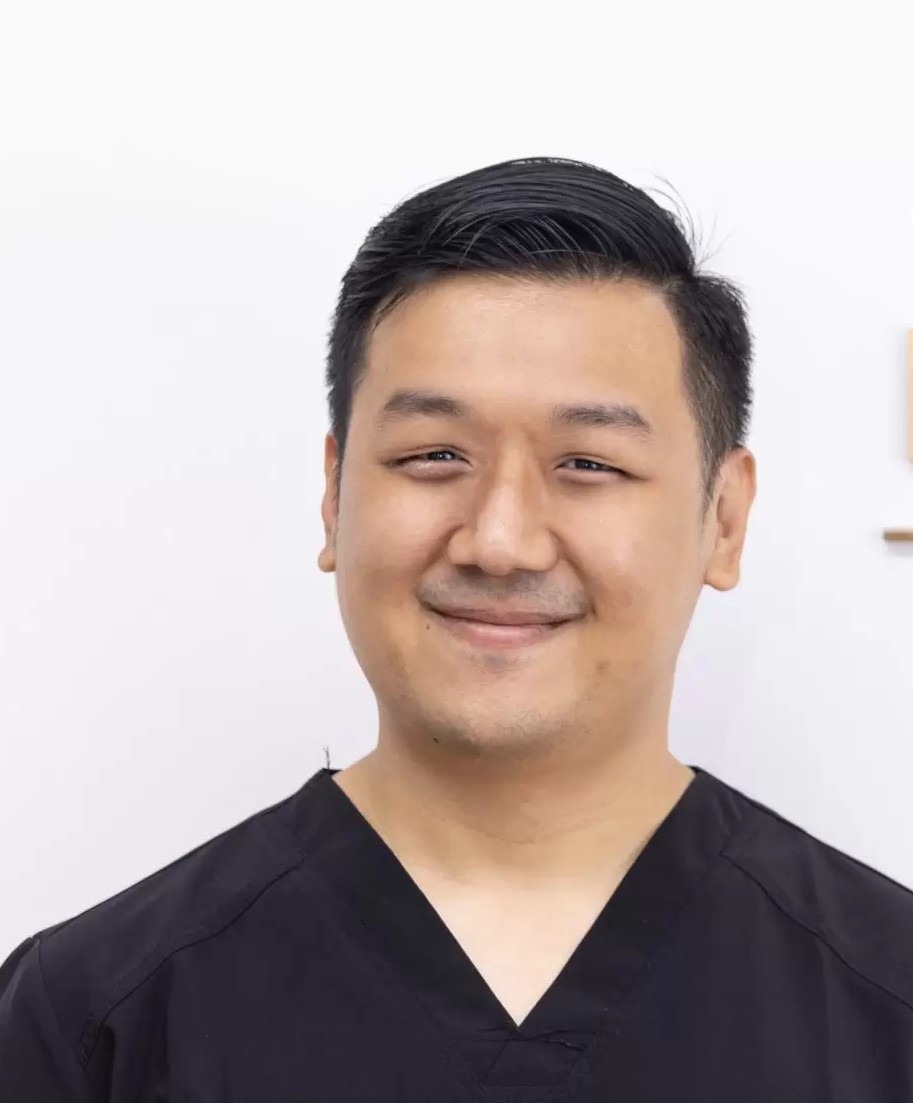
Written by
Winsen Citra
Principal Physiotherapist
Winsen is the Principal Physiotherapist at Elevate Physiotherapy, Singapore. A University of Melbourne physiotherapy graduate and former Singapore General Hospital physiotherapist, he specialises in sports and musculoskeletal rehabilitation and works with athletes and active individuals to recover from injury and return to full performance.