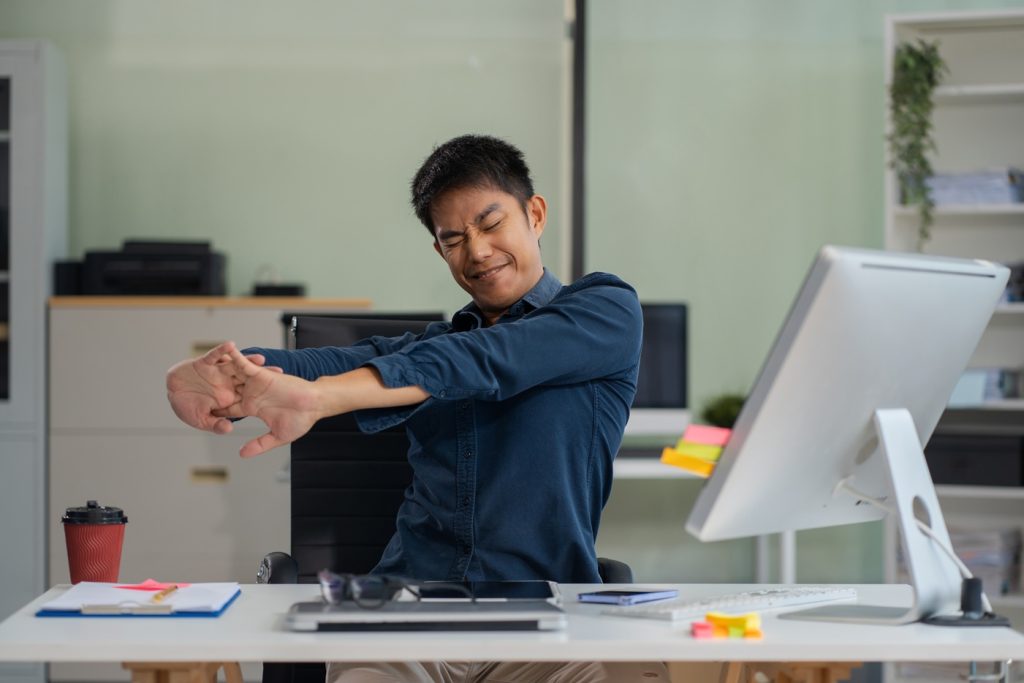
In our fast-paced Singaporean lifestyle, whether you are spending long hours at a desk in the CBD or chasing after your children at the park, muscle tightness is often an unwelcome companion. We often don’t notice the gradual stiffening of our necks, shoulders, and hips until that stiffness turns into a dull ache or a…
Author Archives: Winsen Citra

14
May
May
If you have ever woken up with a stiff shoulder that gradually becomes so painful you can’t reach for a plate on a high shelf or fasten a seatbelt, you may be experiencing Adhesive Capsulitis, commonly known as Frozen Shoulder. At Elevate Physiotherapy, we see many patients who feel frustrated by the sudden loss of…
08
Apr
Apr
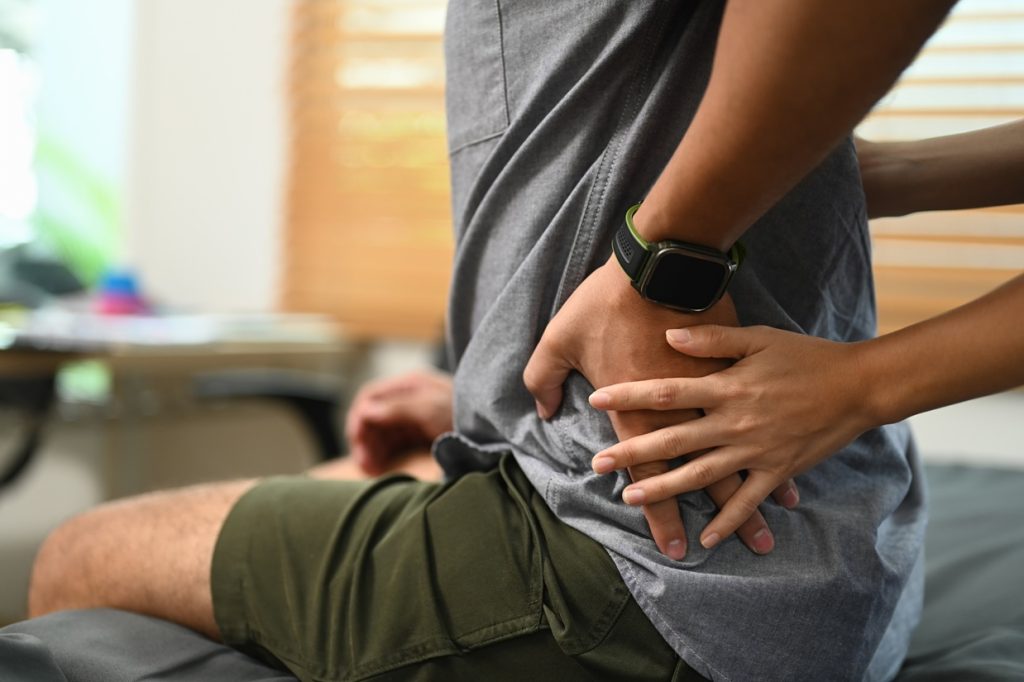
If you have ever felt a sharp, electric-like pain radiating from your lower back down through your hip and into your leg, you may have experienced sciatica. It is a condition that can be as confusing as it is painful, often making simple tasks like sitting, walking, or even sleeping feel like a challenge. At…
07
Apr
Apr
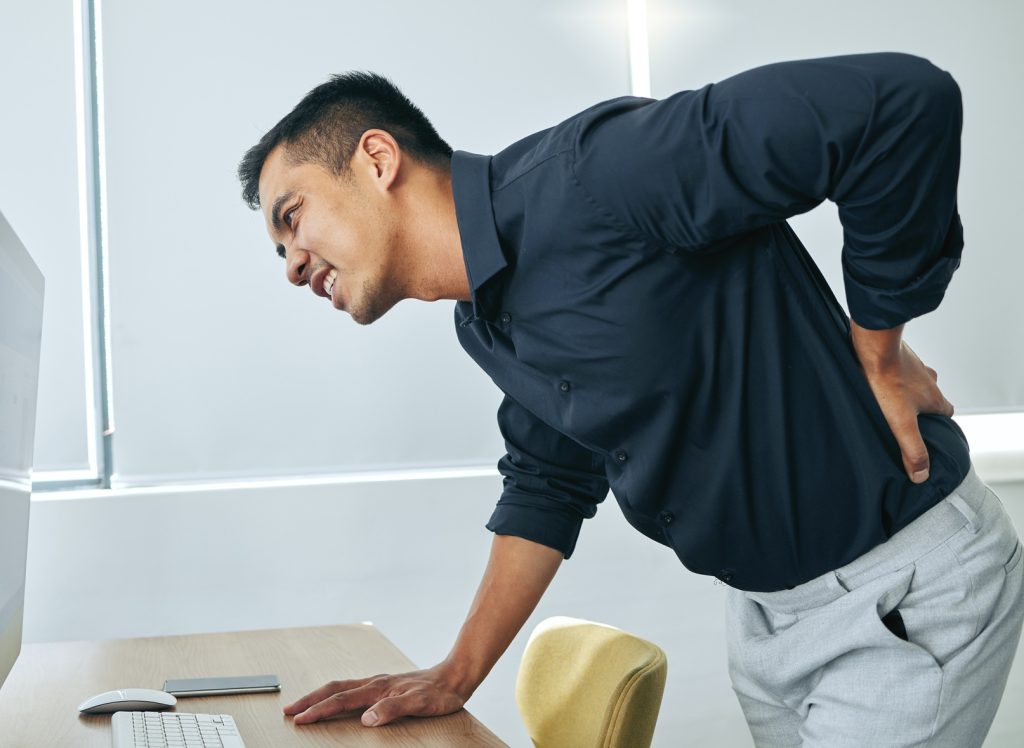
Many people come to our clinic with lower back pain. Back pain can really get in the way of your quality of life, whether it’s a dull, constant ache that comes after a long day at work or a sharp, sudden pain that happens when you lift something heavy. Almost everyone will have some kind…

06
Mar
Mar
The knee is one of the hardest-working joints in the human body, acting as a complex hinge that bears the weight of every step, jump, and climb we take. Because it sits between the hip and the ankle, it often absorbs the stress of our daily movements, making it one of the most common areas…
06
Mar
Mar
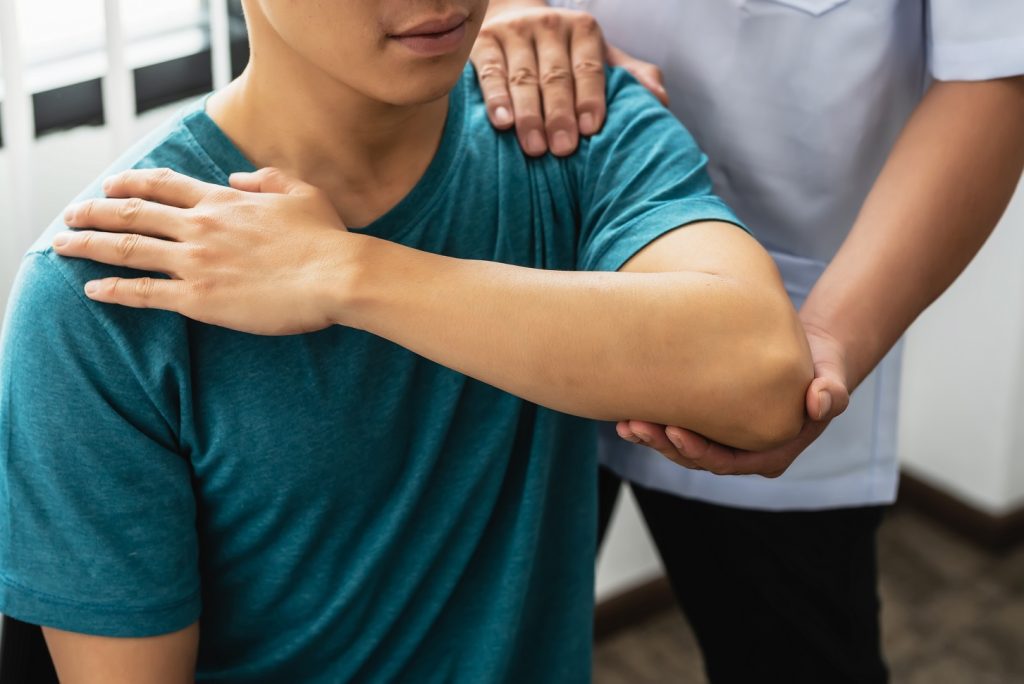
The shoulder is the most flexible joint in the body. It can move in many ways, which lets us do things like reach for a high shelf or swing a tennis racket. But this excellent flexibility comes with a price. The joint is not very stable because it relies on muscles and ligaments for stability…
How Weight Affects Joints Joints are the connections between bones that allow movement and support the weight of the body. Key joints like the knees, hips, and ankles are particularly susceptible to the effects of excess weight. For every pound of body weight, the knees, for example, bear approximately three to five times that weight…

23
Sep
Sep
What is Muscle Imbalance? Muscle imbalance occurs when one muscle or group of muscles is stronger or more developed than its opposing muscle or group. For example, if your quadriceps (front thigh muscles) are significantly stronger than your hamstrings (back thigh muscles), this creates an imbalance that can affect your posture, movement, and overall function….
02
Sep
Sep
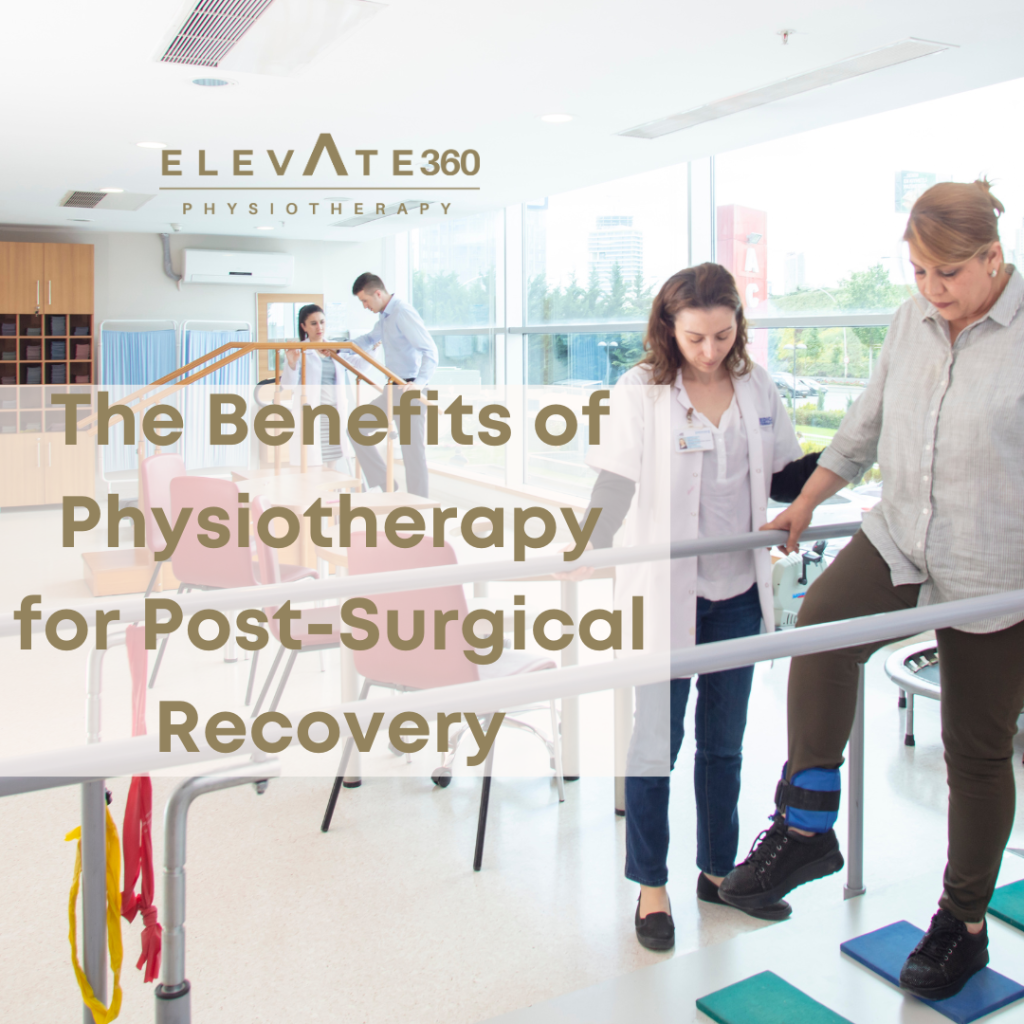
1. Accelerated Healing and Recovery One of the primary benefits of physiotherapy after surgery is that it accelerates the healing process. Through carefully designed exercises and treatments, physiotherapists help improve blood circulation, reduce swelling, and prevent complications like blood clots. Early mobilization, often guided by your physiotherapist, can enhance tissue repair and speed up your…

16
Aug
Aug
Understanding Common Car Accident Injuries Car accidents can result in various injuries, including whiplash, fractures, soft tissue injuries, and spinal damage. These injuries can cause lingering pain and discomfort, which, if left untreated, may lead to chronic issues. Physiotherapy is designed to address these injuries, promoting healing and preventing long-term complications. The Role of Physiotherapy…