

Elbow Strain: Causes, Symptoms and Physiotherapy Treatment
Blogs, / By Winsen Citra
Quick Answer: An elbow strain is an overstretch or small tear of the muscles and tendons that attach around the elbow, usually from repetitive gripping, lifting, or racquet and gym loading. The typical signs are pain over the inner or outer bony point, tenderness when it is pressed, and weakness on gripping. Most cases settle with graded loading.
A sharp catch on the outside of the elbow when you lift a kettle, or a nagging ache on the inside after a session at the gym, is a common reason people book a physiotherapy appointment in Singapore. An elbow strain is rarely serious, but it interferes with almost everything the hand does.
This guide from Elevate Physiotherapy explains what causes an elbow strain in 2026, how to tell it apart from tennis elbow and golfer’s elbow, and what treatment involves. You will learn which symptoms need medical review, and how long recovery usually takes.
What causes an elbow strain?
An elbow strain happens when the tendons and muscles crossing the elbow are loaded beyond what they can currently tolerate. The usual triggers are repetitive gripping, sustained mouse and keyboard use, sudden jumps in gym volume, and racquet or club sports. A single awkward lift can do it, but gradual overload is far more common.
Most elbow strains sit at one of two anchor points. The wrist extensor tendons attach to the bony point on the outside of the elbow, which is the pattern behind tennis elbow. The wrist flexor and pronator tendons attach on the inside, which is the pattern behind golfer’s elbow.
Work-related loading is a recognised and rising problem here. Singapore’s Ministry of Manpower recorded 317 work-related musculoskeletal disorder cases in 2025, up 27% from 249 the year before (MOM Workplace Safety and Health Report 2025). From 1 December 2025, all work-related musculoskeletal disorders — epicondylitis included — became reportable and compensable under the WSHA and WICA (MOM/MOH Circular MOM/OSHD/2025-07).
That matters for how an elbow strain is assessed. At Elevate Physiotherapy in Singapore, the wrist, shoulder and neck are examined alongside the elbow, because grip demand rarely sits in one joint.
How do you know if you have strained your elbow?
You have likely strained your elbow if there is localised pain over the inner or outer bony point, tenderness when you press it, and pain that sharpens when you grip, lift or twist. Swelling is usually minimal. Weakness tends to show up as things slipping out of the hand rather than as a general loss of arm strength.
Symptoms often build over days rather than arriving in one moment. Pain on the outside typically appears when lifting a cup with a straight arm or shaking hands. Pain on the inside appears when gripping, pulling, or turning a screwdriver.
The distinction between an acute strain and a longer-standing tendinopathy matters. Elevate Physiotherapy in Singapore sees both, and a complaint that has run beyond six weeks is usually a tendon capacity problem rather than a fresh tissue injury.
Some elbow symptoms point to something other than a muscle or tendon strain and warrant medical review before rehabilitation begins. The table below covers the ones worth acting on rather than monitoring.
WHEN ELBOW SYMPTOMS NEED MEDICAL REVIEW
|
Symptom |
What it may suggest |
Action |
|
Pins and needles or numbness into the ring and little finger |
Ulnar nerve irritation at the elbow (cubital tunnel) |
Arrange assessment with a doctor or physiotherapist |
|
Locking, catching, or an inability to fully straighten the elbow |
Joint or cartilage involvement |
Seek medical review |
|
Elbow pain after a fall onto an outstretched hand |
Possible fracture or ligament injury |
Seek urgent medical assessment |
|
Visible swelling, redness and warmth over the point of the elbow |
Bursitis or infection |
Seek medical review promptly |
|
Elbow pain with fever, unexplained weight loss or constant night pain |
A cause outside the musculoskeletal system |
Seek medical review |
How do you treat a strained elbow at home?
Graded loading treats an elbow strain more effectively than complete rest. “Many people think pain means they should stop moving and rest completely,” says Winsen Citra, Principal Physiotherapist at Elevate Physiotherapy. “In most musculoskeletal cases the opposite is true — the right graded movement, loaded correctly, is what actually restores the tissue.”
Practical steps for the first two to three weeks:
- Keep using the arm, but drop the load — a lighter kettle, two hands on the shopping, no maximal grip.
- Add slow, controlled forearm work: a light dumbbell lowered over three to five seconds, two to three sets of ten to fifteen repetitions.
- Apply heat over the forearm muscles to reduce guarding; some people prefer a cold pack in the first 24 hours.
- Check the desk set-up — forearms supported, wrist neutral, and the mouse kept close to the body rather than out to the side.
- Review your grip on racquets, clubs and gym bars, and reduce session volume before you reduce session frequency.
A counterforce brace or taping can take the edge off during the working day, and a pharmacist or doctor can advise on what pain relief suits you. If symptoms are not easing after three to four weeks, arrange an assessment. Home Physiotherapy from Elevate Physiotherapy is available island-wide in Singapore for people who would rather not travel with a painful arm.
Can physiotherapy help an elbow strain, and how long is recovery?
Physiotherapy helps an elbow strain by restoring pain-free grip, rebuilding the load capacity of the tendon, and correcting the wrist, shoulder and neck mechanics that drove the overload. The clinical practice guidelines for lateral elbow pain published in the Journal of Orthopaedic & Sports Physical Therapy place exercise and progressive loading at the centre of management, with manual therapy used to support movement (JOSPT Lateral Elbow Pain CPG, 2022).
Timeframes vary with severity and with what you are returning to. A recent, mild elbow strain often eases within two to three weeks, while a tendinopathy that has been present for months is generally measured in months rather than weeks. Individual results vary and no recovery timeline can be promised.
“I don’t treat the site of pain in isolation,” Winsen Citra adds. “I assess how the whole chain moves — the wrist, the shoulder and the neck all feed into how much work the elbow has to do.”
Dry needling treatment at Elevate Physiotherapy in Singapore is used where persistent trigger points in the forearm are limiting grip, always alongside strengthening rather than instead of it. A 2025 systematic review in Cureus found that dry needling combined with exercise reduced pain more than exercise alone across tendinopathies including lateral epicondylitis, though the authors noted substantial variation between the trials reviewed (Tayyab et al., Cureus, 2025).
Frequently asked questions
How long does an elbow strain take to heal?
A recent, mild elbow strain usually eases within two to three weeks and settles over roughly six to eight weeks with graded loading, while a tendinopathy that has been present for several months is generally measured in months. The clinical practice guidelines for lateral elbow pain in the Journal of Orthopaedic & Sports Physical Therapy describe the condition as often self-limiting, but with a high recurrence rate where load capacity is never rebuilt (JOSPT Lateral Elbow Pain CPG, 2022).
Recovery is influenced by how long the symptoms have been present, your grip demands at work, and whether you keep training through it. At Elevate Physiotherapy in Singapore, progress is tracked against pain-free grip and load tolerance rather than a fixed calendar date, and individual results vary.
What is the difference between an elbow strain, tennis elbow and golfer’s elbow?
An elbow strain is the general term for an overstretched or slightly torn muscle or tendon at the elbow, while tennis elbow and golfer’s elbow name where that strain sits and which tendons are involved. Tennis elbow affects the wrist extensor tendons on the outside of the elbow; golfer’s elbow affects the wrist flexor and pronator tendons on the inside.
The distinction changes the exercises rather than the principle, because both respond to graded loading rather than rest. Elevate Physiotherapy in Singapore reproduces the symptom with a specific grip or resisted movement to identify which tendon group is loaded before a programme begins, at its Maju Avenue and Jalan Besar clinics.
When should I see a physiotherapist for elbow pain instead of waiting it out?
See a physiotherapist if elbow pain has not started to improve within three weeks, if your grip is weakening, or if the same elbow flares every few months. Seek medical review sooner if you have numbness or pins and needles into the ring and little finger, if the elbow locks or will not fully straighten, or if the pain followed a fall onto an outstretched hand, since these suggest nerve, joint or bone involvement rather than a muscle strain.
Recurring strains usually point to a load problem further up or down the chain. Since 1 December 2025, work-related musculoskeletal disorders including epicondylitis have been reportable and compensable under Singapore’s WSHA and WICA, so an early documented assessment is worth arranging if the cause is occupational (MOM/MOH Circular MOM/OSHD/2025-07).
Does dry needling work for a strained elbow that keeps coming back?
Dry needling can help a recurring elbow strain by settling persistent trigger points in the forearm muscles, though it works as part of a loading programme rather than as a standalone treatment. A 2025 systematic review in Cureus reported that dry needling combined with exercise reduced pain more than exercise alone in tendinopathies including lateral epicondylitis, while noting substantial variation between the four trials included (Tayyab et al., Cureus, 2025).
Dry needling treatment at Elevate Physiotherapy in Singapore is delivered by AHPC-registered physiotherapists and is always paired with progressive strengthening, so the muscle is not simply released and then re-loaded the same way. Suitability is assessed case by case.
An elbow strain is a common, treatable muscle and tendon injury that responds better to graded loading than to complete rest. Watch for numbness travelling into the hand or an elbow that will not fully straighten, and arrange an assessment if pain is not settling after three weeks. If your elbow is limiting work, training or grip, book an appointment with Elevate Physiotherapy at Maju Avenue or Jalan Besar, or arrange Home Physiotherapy anywhere in Singapore.
“`html
“`
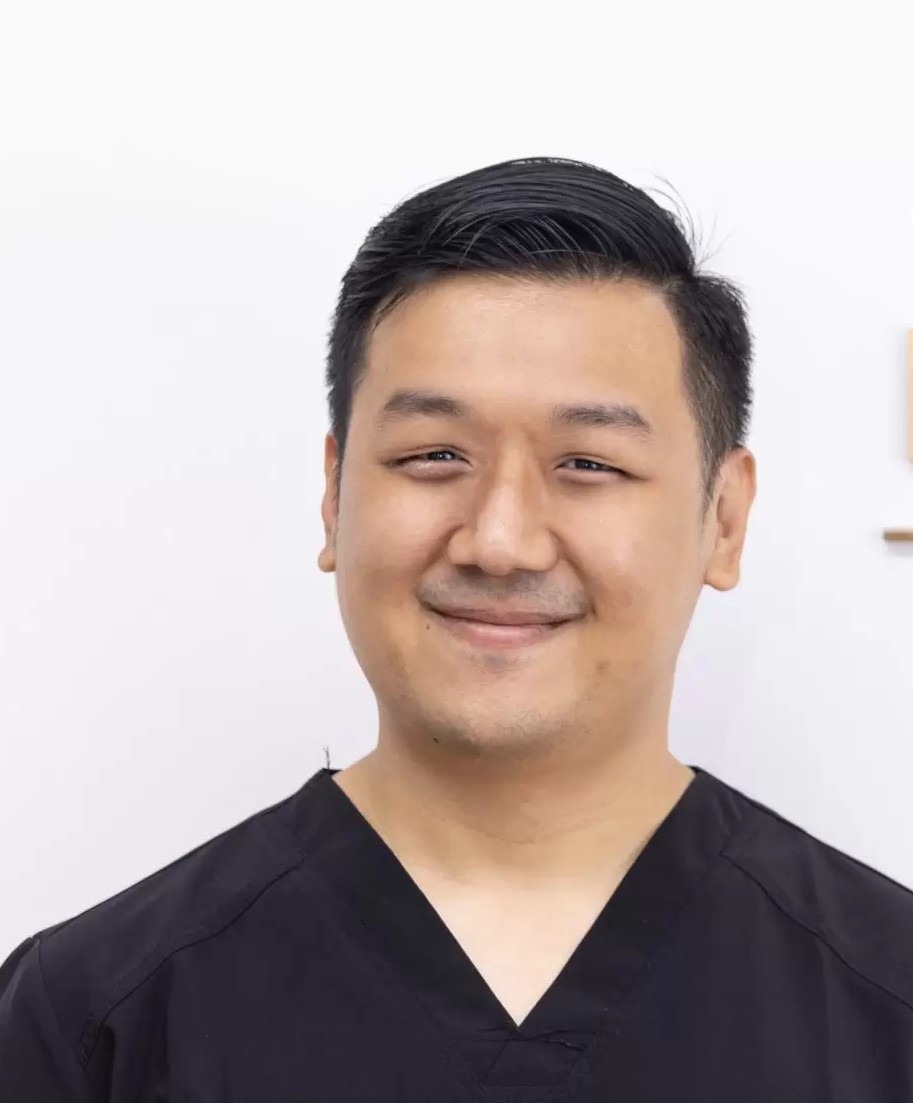
Written by
Winsen Citra
Principal Physiotherapist
Winsen is the Principal Physiotherapist at Elevate Physiotherapy, Singapore. A University of Melbourne physiotherapy graduate and former Singapore General Hospital physiotherapist, he specialises in sports and musculoskeletal rehabilitation and works with athletes and active individuals to recover from injury and return to full performance.