

How to Prevent Running Injuries: Physio Tips Every Runner Should Know
Running, / By Winsen Citra
Running is one of the most liberating forms of exercise, offering a unique blend of cardiovascular challenge and mental clarity. Whether we are training for our first 5K or preparing for a full marathon, the rhythm of the pavement under our feet is addictive. However, the repetitive nature of running also places significant stress on our joints, tendons, and muscles. To keep our miles enjoyable and pain-free, we must prioritize injury prevention as much as our pace.
At some point, many of us have pushed through a “niggle” only for it to become a full-blown injury that sidelines us for weeks. By understanding the sport’s mechanical demands, we can adopt strategies to run longer, faster, and more safely.
The Importance of a Gradual Load
The most common cause of running injuries is “too much, too soon.” Our cardiovascular system often adapts to training faster than our bones and connective tissues. We may feel like we have the energy to run an extra five kilometers, but our shins or Achilles tendons might not be ready for that level of impact.
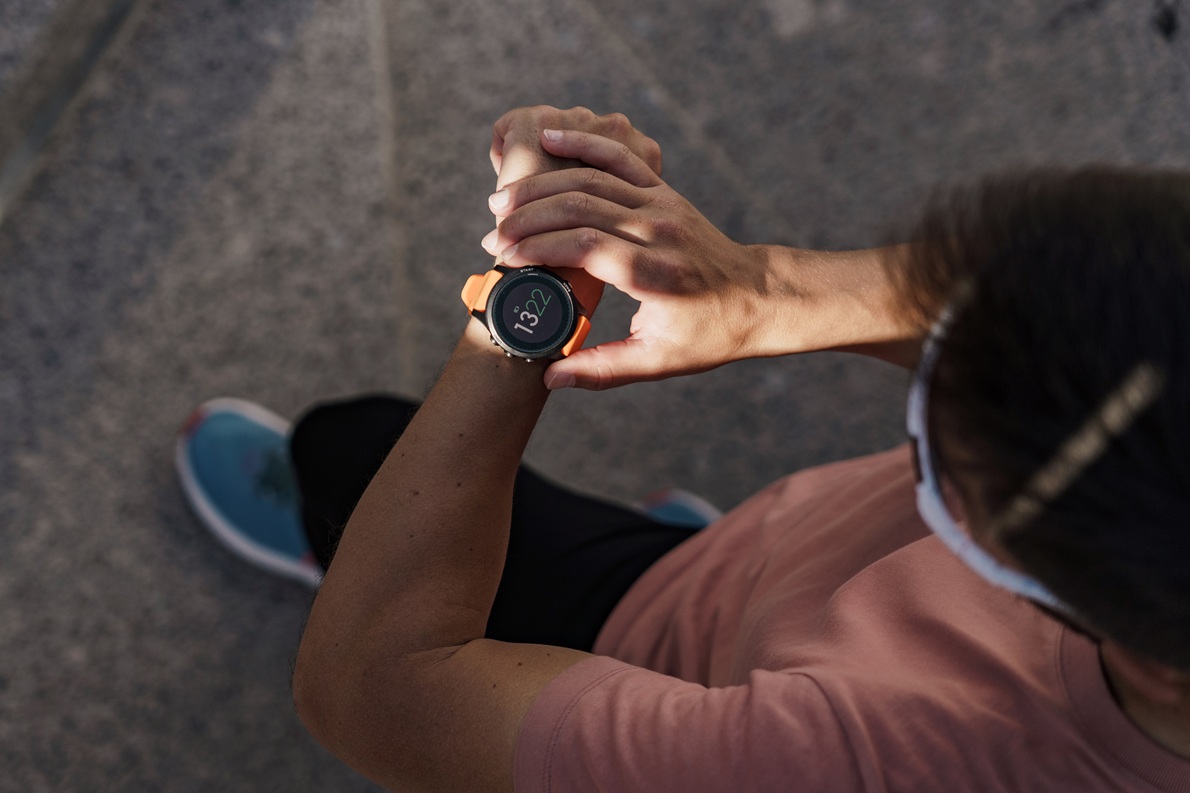
To prevent overuse injuries like stress fractures or plantar fasciitis, we should follow the “10% rule”, never increasing our weekly mileage by more than ten percent. This steady progression allows our bodies to build the necessary structural integrity to handle the load.
Strengthening the Foundation
Running is essentially a series of single-leg hops. Every time we land, our body absorbs several times our body weight. If our glutes, hamstrings, or calves are weak, that force is transferred directly into our joints.
We recommend incorporating strength training at least twice a week. Focusing on single-leg exercises, such as lunges or single-leg deadlifts, helps correct muscular imbalances and improves stability. When our muscles are resilient, they act as better shock absorbers, protecting our knees and hips from the repetitive strike of the ground.
Active Recovery and Mobility
Many of us make the mistake of finishing a run and immediately sitting down at a desk or jumping into the car. This causes our muscles to tighten in a shortened position. Dynamic stretching before a run and static stretching or foam rolling afterward are essential components of a healthy running routine.
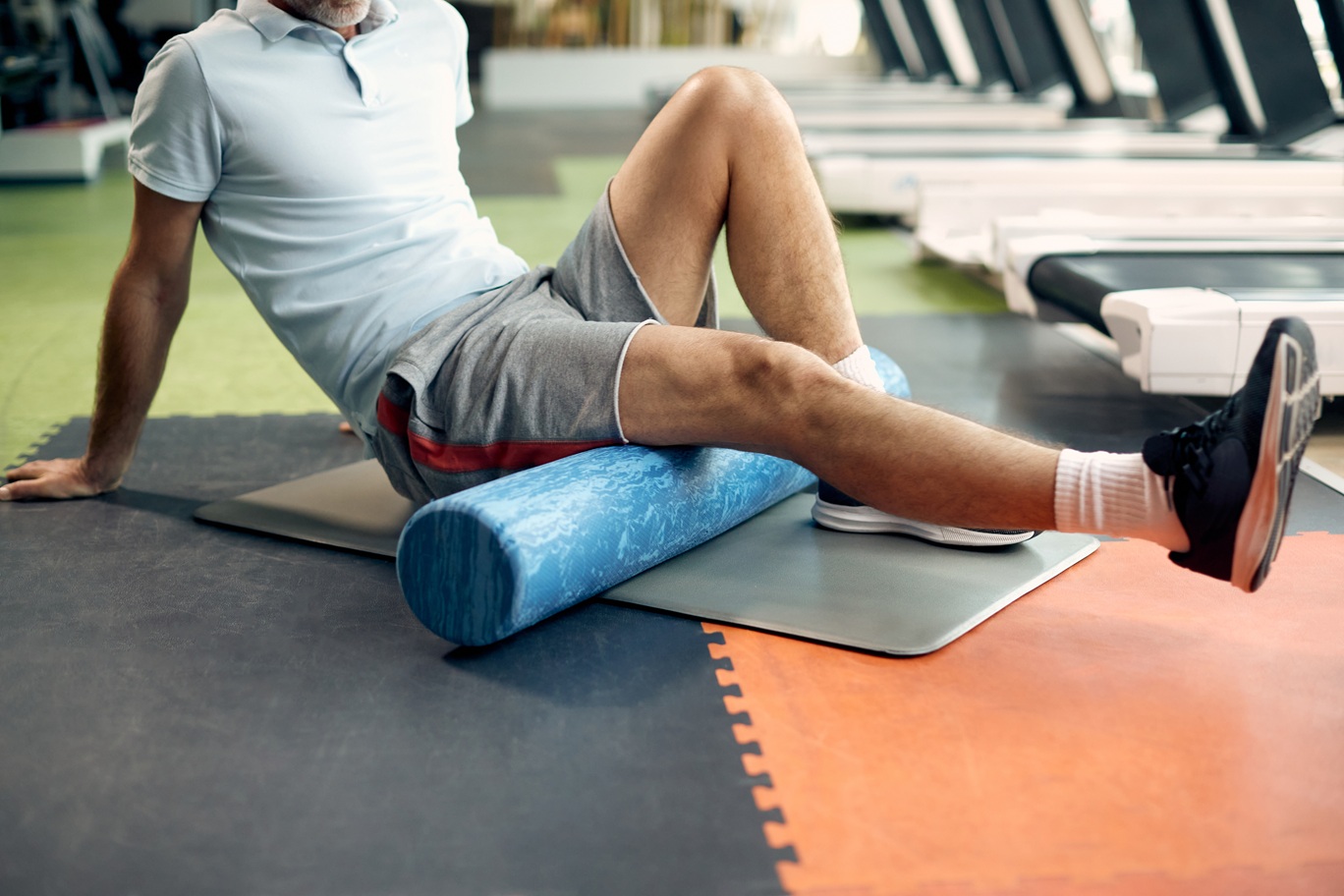
Incorporating movements like Clinical Pilates can also be a game-changer for runners. It focuses on core stability and pelvic alignment, ensuring that our running form remains efficient even when we begin to fatigue during the final stages of a long run.
When to Seek Professional Support
Despite our best efforts, persistent aches can still arise. Recognizing the difference between “good soreness” (muscle adaptation) and “bad pain” (potential injury) is vital. If a pain changes your running gait or lingers for more than three days, it is time to consult an expert.
At Elevate Physiotherapy, we are dedicated to helping runners of all levels stay mobile and achieve their goals. We provide one-on-one treatment sessions, ensuring that you receive the undivided attention required to diagnose and treat the root cause of your discomfort. Our multispecialty therapists utilize cutting-edge equipment and techniques to facilitate faster recovery and performance optimization.
We understand that every runner’s body is different, which is why we emphasize personalized and effective patient-centered care. Whether you are dealing with runner’s knee or looking for a gait analysis to improve your efficiency, our team offers the expertise needed to keep you on the track. For your convenience, we are available to support your recovery six days a week.
Unlock Your Peak Running Potential
Don’t let a preventable injury stop your progress. At Elevate Physiotherapy, we provide the specialized care you need to move stronger and run further. Our commitment to your long-term health and performance extends from tailored rehabilitation programs to advanced injury prevention strategies.
Keep your training on track. Schedule your consultation today.