

Home »
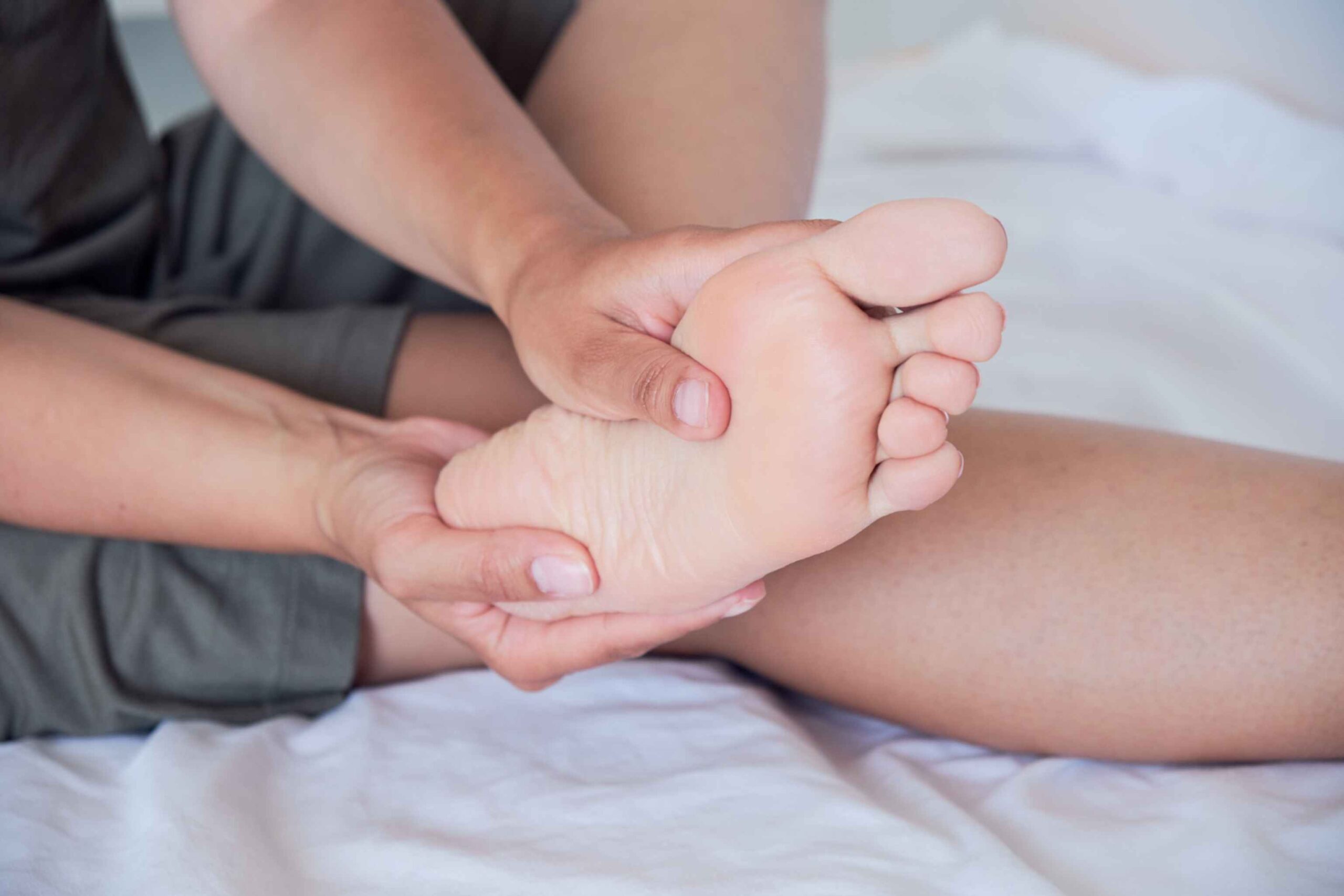
Why Does My Heel Hurt When I Wake Up? Common Causes
Quick Answer: Heel pain on the first steps out of bed is most often plantar fasciitis, an irritation of the thick band of tissue running along the sole. The tissue shortens overnight and is loaded abruptly when you stand, which is why the pain is sharpest first thing and eases after a few minutes of…

Rotator Cuff Injury: Symptoms, Causes, Treatment, Recovery
Quick Answer: A rotator cuff injury is damage to one or more of the four tendons that stabilise the shoulder, most often causing pain when lifting the arm, weakness overhead and disturbed sleep on that side. The large majority are managed without surgery, using graded loading, activity modification and physiotherapy. Most people notice a rotator…

Delayed Onset Muscle Soreness (DOMS): Causes and Recovery
Quick Answer: Delayed onset muscle soreness is the stiffness and tenderness that appears roughly a day after unfamiliar or heavy exercise, peaks at 24 to 48 hours, and settles within about a week. It is caused by microscopic damage and the repair response that follows, not by lactic acid, and gentle movement helps more than…

Calf Strain: Causes, Symptoms, Treatment and Recovery
Quick Answer: A calf strain is a tear in the gastrocnemius or soleus muscle, usually felt as a sudden sharp pain in the back of the lower leg during a push-off or sprint. Return to sport ranges from about two to twelve weeks depending on severity, and recurrence is common when rehabilitation is cut short….
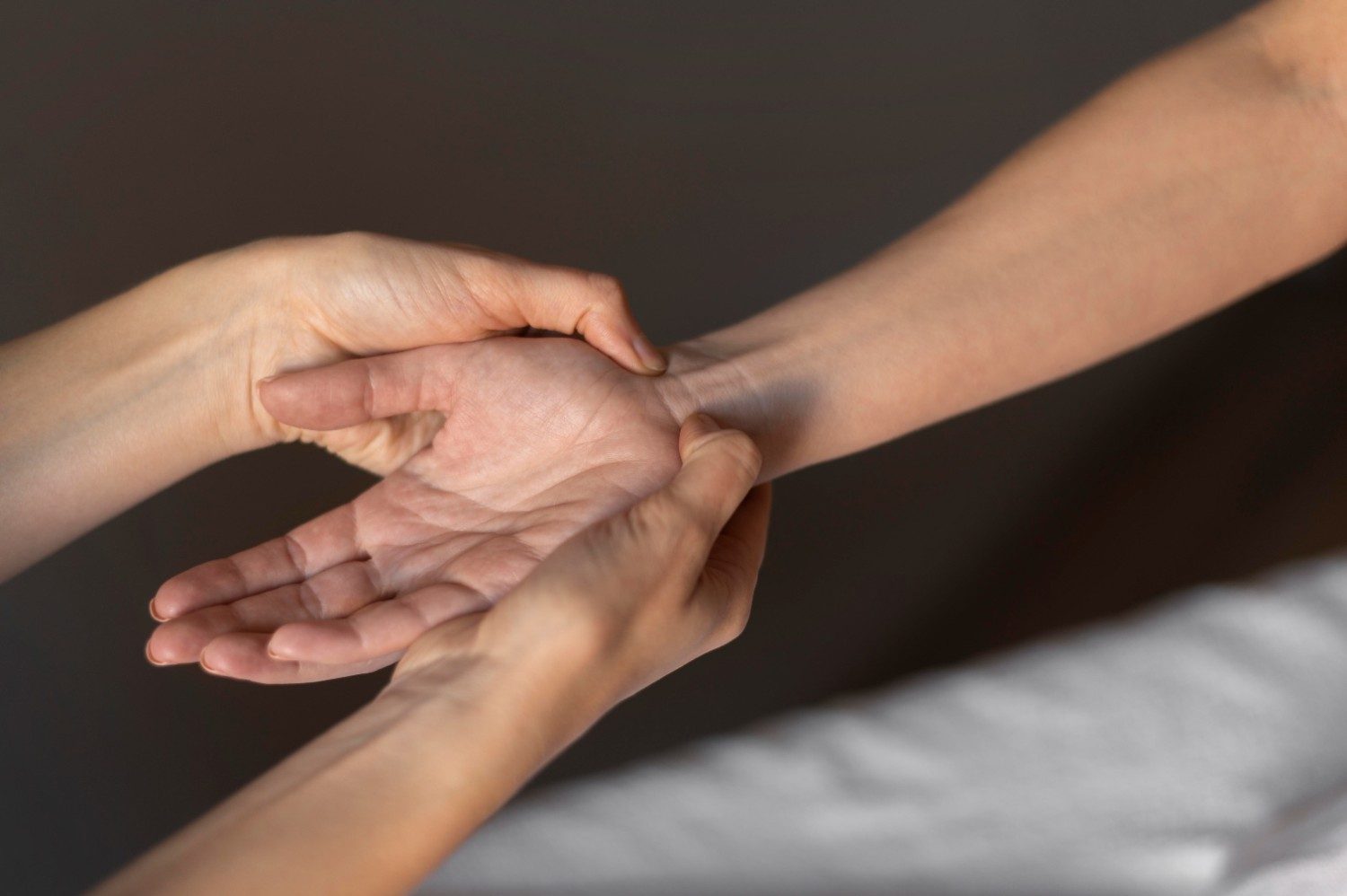
My Finger Is Numb: Causes of Finger Numbness Explained
Quick Answer: A numb finger usually means a nerve supplying that finger is being compressed or irritated, most often at the wrist, the elbow or the neck. Which fingers go numb points to which nerve is involved. Sudden numbness with weakness or facial drooping is a medical emergency. Waking with a dead hand, losing feeling…
Blogs, / By Winsen Citra
Why Does the Base of My Thumb Hurt? Common Causes Explained
Quick Answer: Pain at the base of the thumb usually comes from the carpometacarpal joint at the wrist end of the thumb, or from the two thumb tendons that run along the side of the wrist. Osteoarthritis, tendon irritation and repetitive gripping or phone use are the common causes. Most cases respond to load management…

Blogs, / By Winsen Citra
Elbow Strain: Causes, Symptoms and Physiotherapy Treatment
Quick Answer: An elbow strain is an overstretch or small tear of the muscles and tendons that attach around the elbow, usually from repetitive gripping, lifting, or racquet and gym loading. The typical signs are pain over the inner or outer bony point, tenderness when it is pressed, and weakness on gripping. Most cases settle…

Blogs, / By Winsen Citra
Neck Strain: Causes, Symptoms and Recovery
Quick Answer: A neck strain is an overstretch or small tear of the muscles or tendons that support the neck, most often caused by sudden movement, an awkward sleeping position or prolonged desk posture. The usual signs are localised pain, stiffness and muscle spasm. Most cases settle within a few weeks with graded movement and…

Blogs, / By Winsen Citra
Ergonomics at Work: Tips to Reduce Neck and Back Strain
Modern work culture often demands hours of stillness. Whether we are hunched over a laptop at a kitchen table or settled into a dedicated office chair, our bodies bear the brunt of repetitive positions. Over time, what begins as a minor stiffness in the neck or a dull ache in the lower back can develop…

Blogs, / By Winsen Citra
5 Simple Daily Stretches to Prevent Muscle Tightness
In our fast-paced Singaporean lifestyle, whether you are spending long hours at a desk in the CBD or chasing after your children at the park, muscle tightness is often an unwelcome companion. We often don’t notice the gradual stiffening of our necks, shoulders, and hips until that stiffness turns into a dull ache or a…